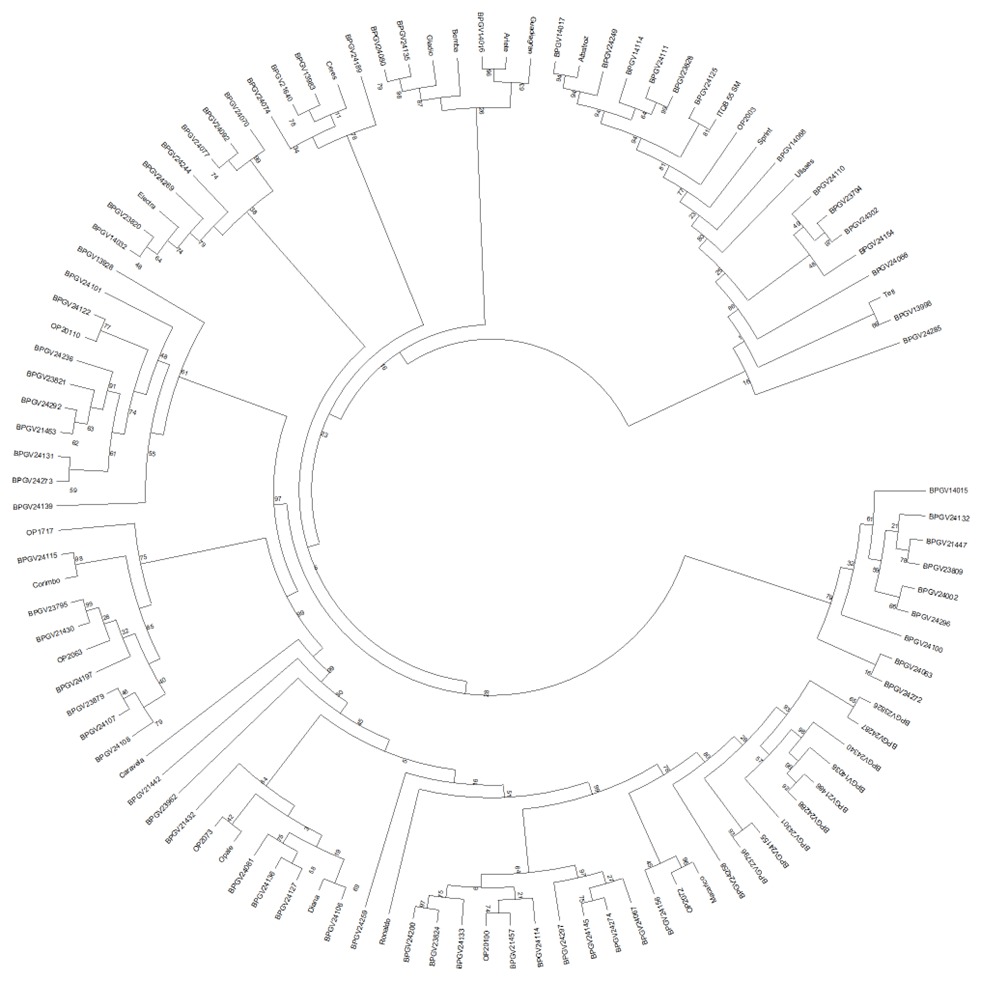
ITQB NOVA scientists collaborated with citizens to build a phylogenetic tree illustrating the genetic relationships among 106 different rice accessions. This citizen science initiative was developed within the scope of the FilliGRAIN-PROTECT project, funded by the Portuguese Science Foundation (FCT), which investigates strategies to safeguard rice productivity under stressful conditions.
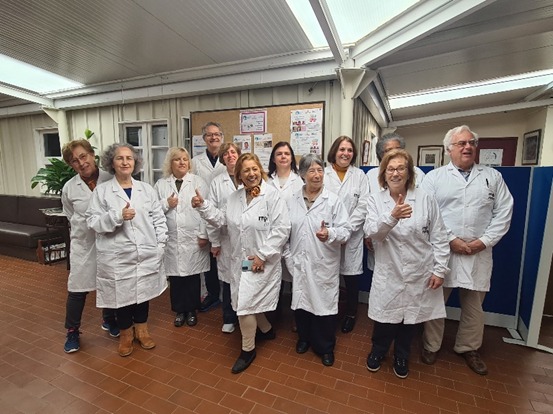
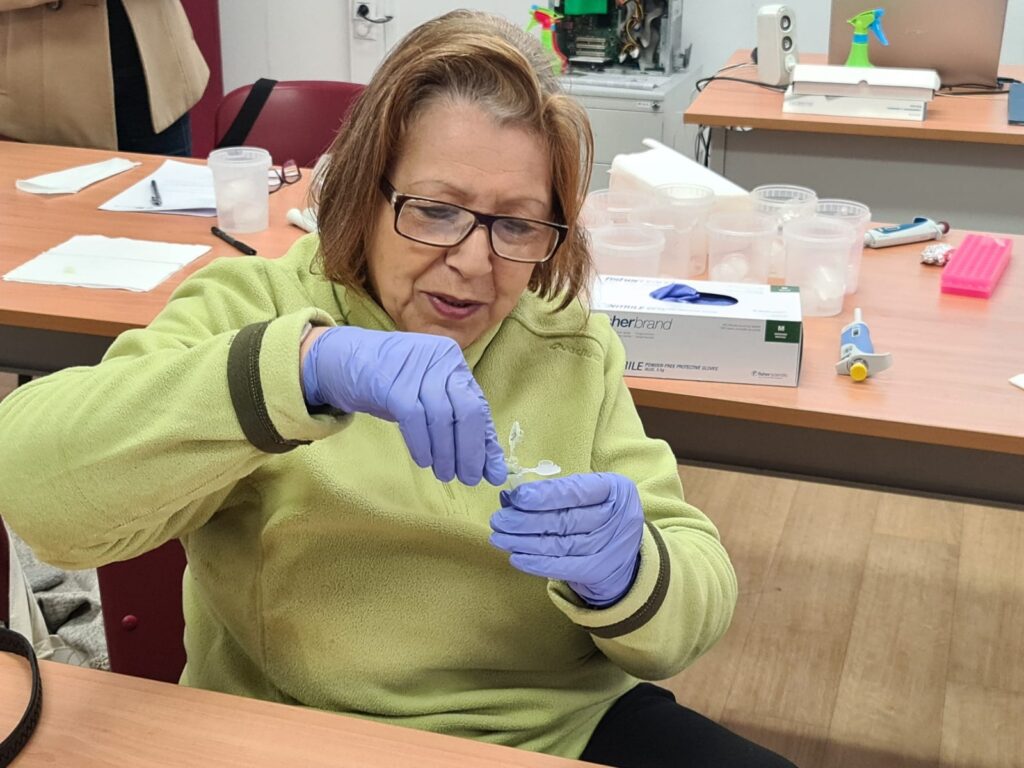
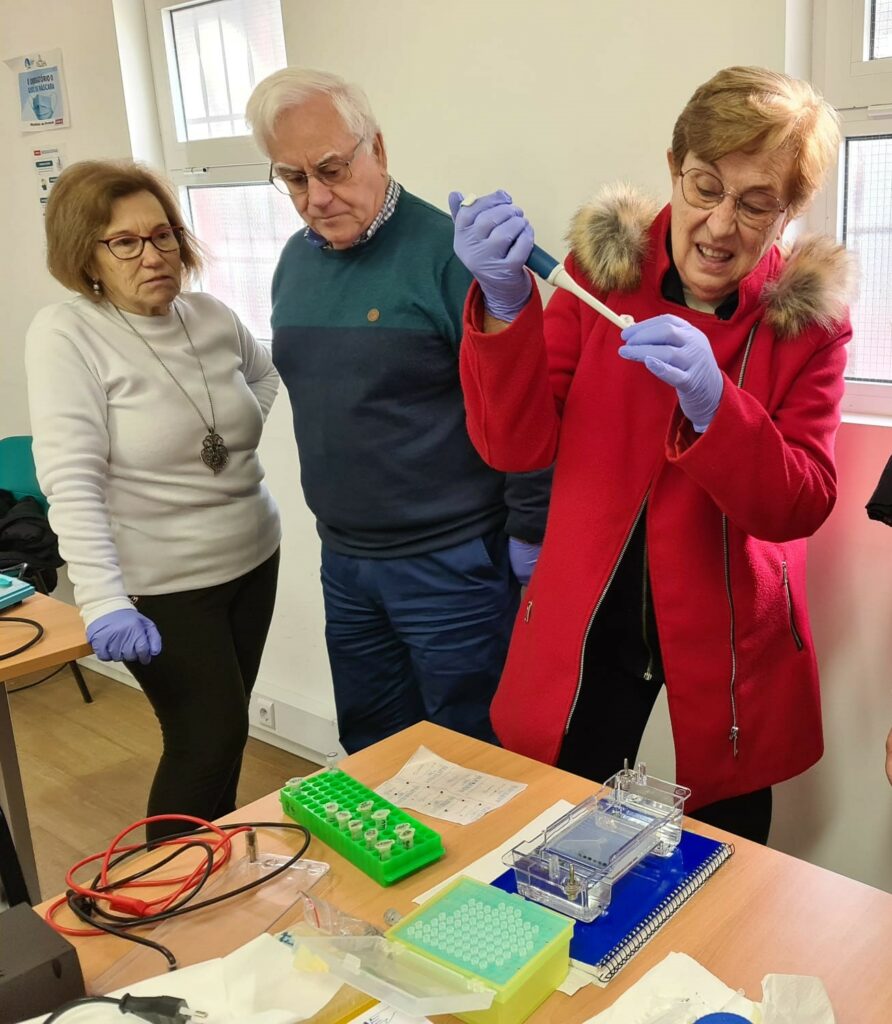
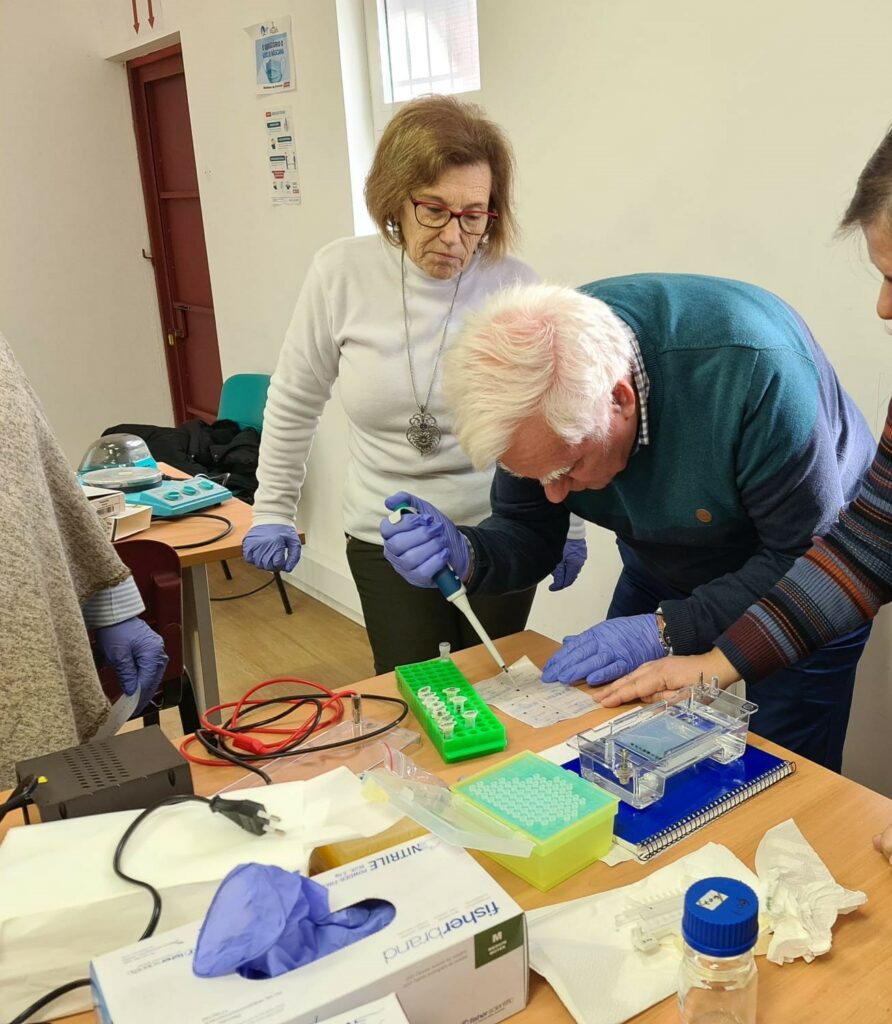
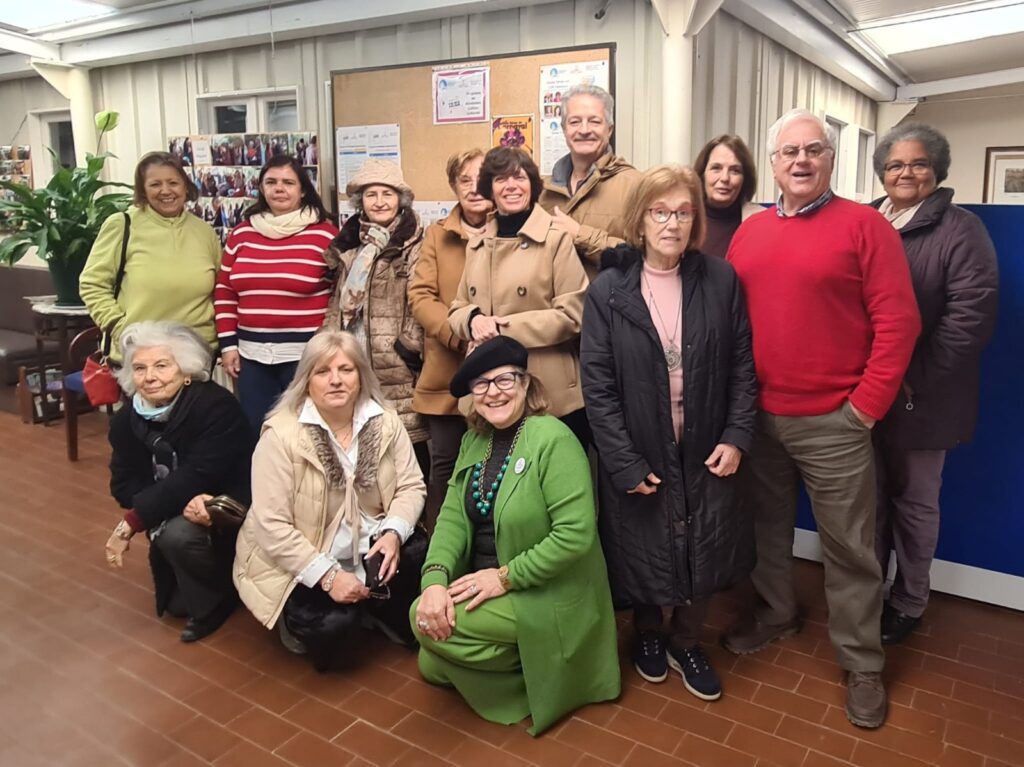
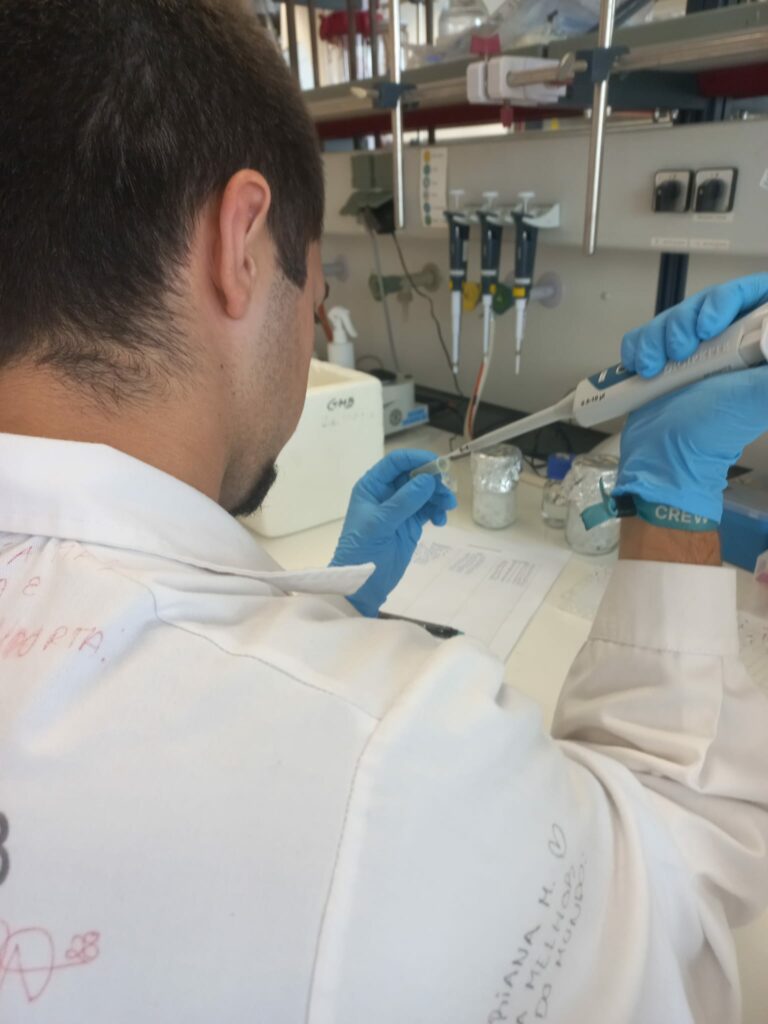
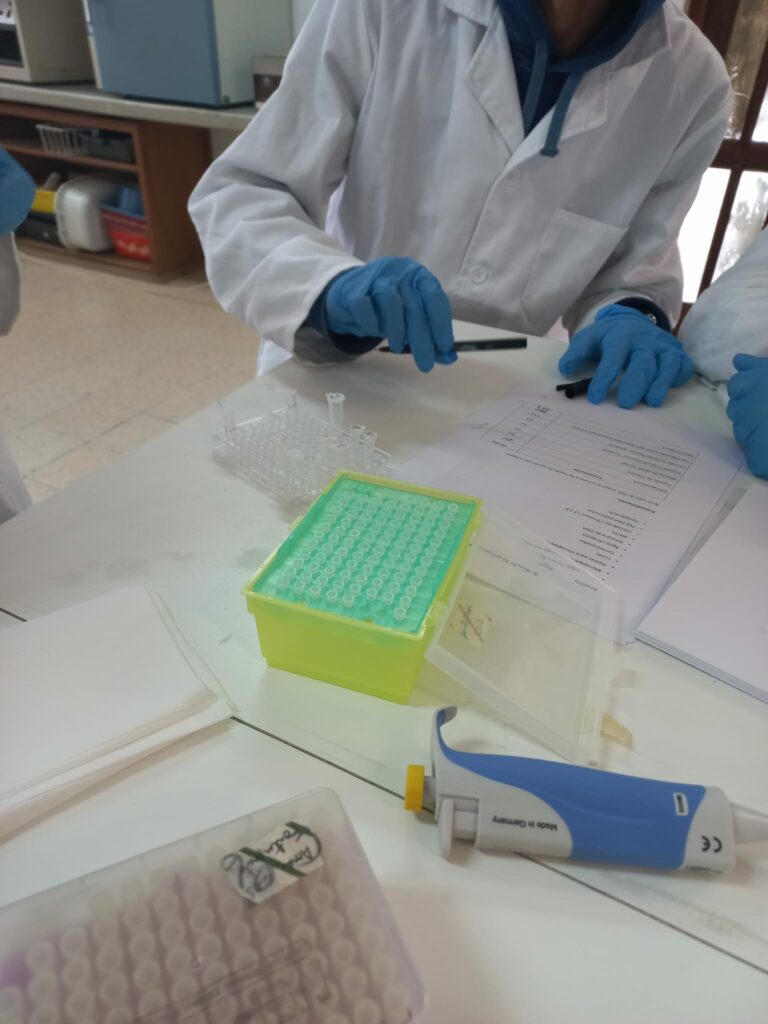
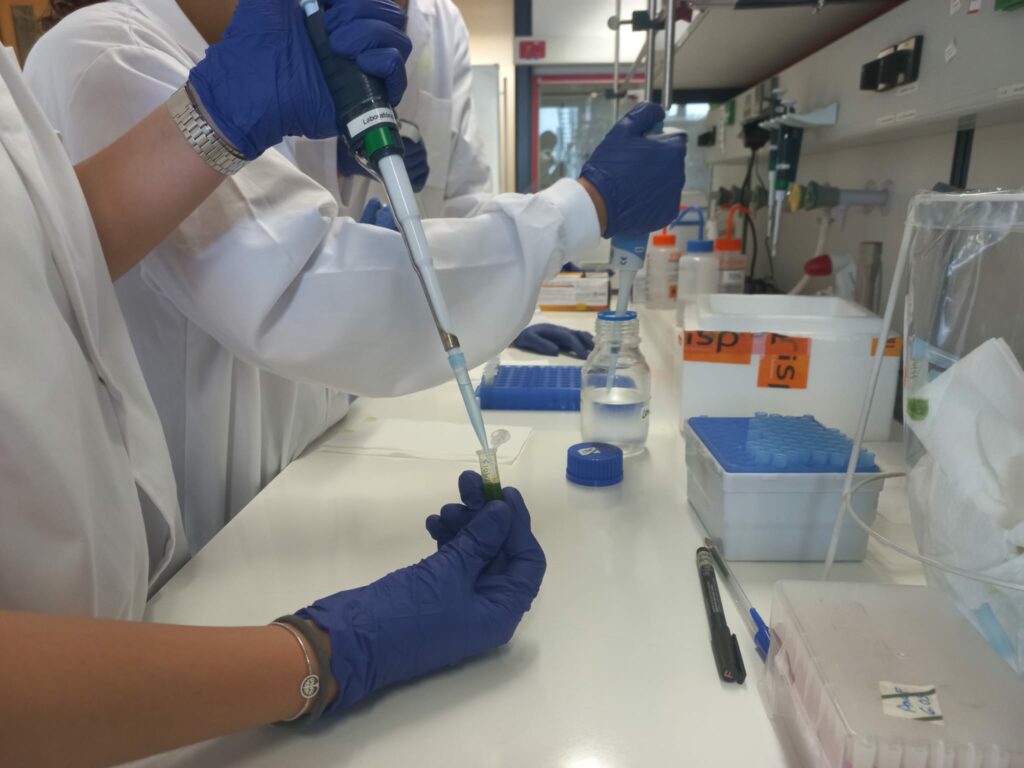
Participants included citizens from the Senior University of Carnaxide e Queijas (USCQAL) and students from Luís de Freitas Branco, Quinta do Marquês, and Miraflores high schools. Together, they extracted genetic material from rice plants and applied the Polymerase Chain Reaction (PCR) technique to amplify two selected genes for subsequent analysis. The specific DNA sequences of these genes were determined and used to assess the genetic proximity among the rice accessions.
The ITQB NOVA scientists coordinating this effort will integrate these results with physiological and molecular data obtained in FilliGRAIN-PROTECT to gain deeper insights into the diversity and responses of the 106 rice accessions studied.